
The United Kingdom has become one of the most exciting and diverse food destinations in the world. Over the decades, British cuisine has evolved into a wonderful celebration of cultures, traditions, and flavours brought together by communities from across the globe. From the aromatic spices of India and Pakistan to the rich culinary heritage of the Middle East and the vibrant tastes of East Asia, international cuisines have become an essential part of everyday British life. Today, the British food scene is a delicious reflection of the country’s multicultural identity.
The Indian Influence: A British Love Affair with Curry
Indian cuisine has had an extraordinary influence on British eating habits. Dishes such as chicken tikka masala, biryani, samosas, and a wide variety of curries have become household favourites. Chicken tikka masala, in particular, is often celebrated as a symbol of modern British multicultural cuisine, combining South Asian cooking traditions with flavours adapted to local tastes.
Indian restaurants and curry houses have become part of British culture, found everywhere from bustling city centres to small countryside towns. Spices such as turmeric, cumin, coriander, cardamom, and garam masala are now familiar ingredients in British kitchens. The influence extends beyond traditional Indian restaurants, inspiring curry-flavoured pies, sandwiches, soups, and even creative versions of classic British comfort food.
Pakistani Cuisine: Bringing Tradition and Rich Flavours
Pakistani cuisine has also made a remarkable contribution to the UK’s culinary landscape. With its rich spices, slow-cooked meats, fragrant rice dishes, and freshly baked breads, Pakistani food has earned a special place in British communities.
Popular dishes such as chicken karahi, lamb nihari, seekh kebabs, chapli kebabs, and traditional biryani are enjoyed by people from many different backgrounds. Pakistani restaurants, takeaways, and family-run grocery businesses have helped introduce generations of British customers to authentic South Asian cooking.
Cities such as Birmingham, Bradford, Manchester, and London have thriving Pakistani food scenes, where traditional recipes meet modern dining trends. The popularity of grilled meats, spicy marinades, and freshly prepared naan has also influenced British barbecue culture and casual dining.
Arabic and Middle Eastern Cuisine: Freshness, Hospitality, and Tradition
Arabic and Middle Eastern cuisines have brought another exciting dimension to British food culture. Known for their fresh ingredients, fragrant herbs, delicious grilled meats, and generous hospitality, these cuisines have become increasingly popular throughout the UK.
Dishes such as shawarma, falafel, hummus, tabbouleh, fattoush, kibbeh, and mixed grills are now familiar choices in British restaurants, cafés, and street-food markets. Traditional flatbreads, olive oil, tahini, za’atar, and pomegranate molasses have also found their way into modern British kitchens.
The influence of Syrian, Lebanese, Palestinian, Iraqi, and other Arab culinary traditions can be seen in the growing popularity of mezze platters, sharing dishes, and healthier Mediterranean-inspired meals. British consumers increasingly appreciate the balance of fresh vegetables, pulses, grains, herbs, and carefully prepared meats that characterises much of Middle Eastern cooking.
East Asian Cuisine: A New Generation of British Favourites
East Asian cuisines have also played a major role in shaping the modern British dining experience. Chinese food has been a favourite in the UK for generations, with dishes such as stir-fried noodles, fried rice, sweet and sour chicken, and crispy aromatic duck becoming popular takeaway choices.
Japanese, Thai, Korean, and Vietnamese cuisines have further expanded the British appetite for international flavours. Sushi, ramen, pad Thai, Korean fried chicken, and Vietnamese pho are now widely enjoyed across the country.
These influences have inspired British chefs to experiment with new cooking techniques, sauces, marinades, and flavour combinations. From Asian-inspired burgers to fusion street food, the result is a constantly evolving food culture that embraces creativity and diversity.
When Global Flavours Meet British Classics
Perhaps the most exciting development is how international cuisines have influenced traditional British dishes. The classic Sunday roast, fish and chips, pies, sandwiches, and grilled meats are increasingly being reimagined with spices and ingredients from around the world.
Curry sauces have become a popular accompaniment to British fish and chips, while Indian-inspired fillings appear in pies and pasties. Shawarma-style wraps, tikka-marinated chicken sandwiches, spicy kebab burgers, and fusion loaded fries demonstrate how different food traditions can blend into something entirely new.
Even everyday home cooking has changed. Ingredients once considered exotic, such as tahini, basmati rice, chickpeas, sumac, fresh coriander, and chilli pastes, are now common purchases in many British supermarkets and local grocery stores.
The Important Role of Halal Food in Britain’s Culinary Diversity
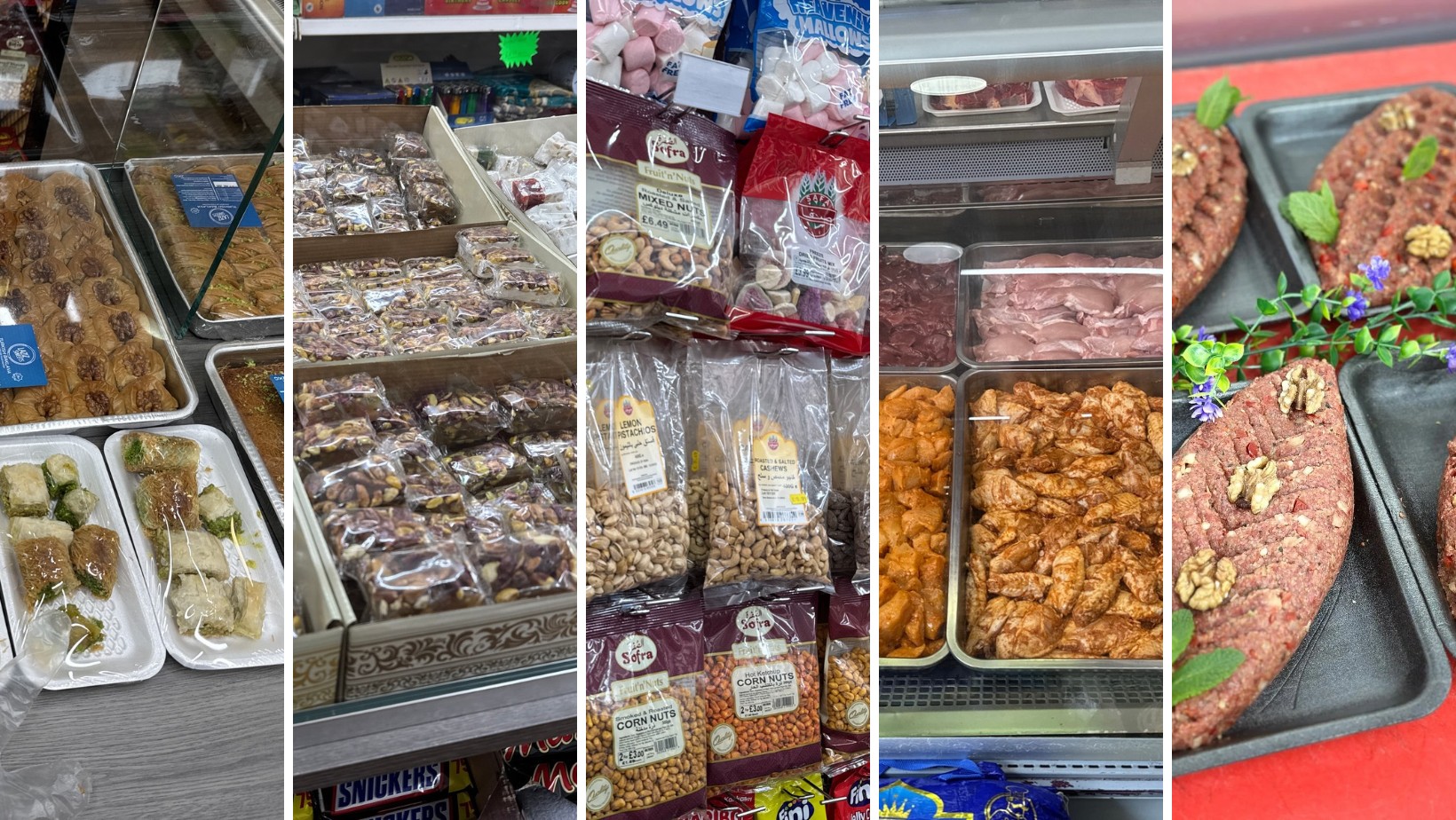
The growth of halal food has been closely connected to the popularity of Asian, Pakistani, Indian, and Middle Eastern cuisines in the UK. Halal butchers, grocery stores, wholesalers, restaurants, and food producers have helped make a wide variety of authentic ingredients and traditional products accessible to communities across the country.
Halal restaurants now offer everything from traditional grilled meats and biryani to burgers, pizzas, steaks, and contemporary fusion dishes. This expanding variety demonstrates how halal food businesses contribute not only to cultural traditions but also to innovation and choice within the wider British food industry.
Independent food retailers and wholesalers are particularly important in this development. By supplying authentic spices, specialty cheeses, olives, rice, pulses, sauces, frozen foods, and traditional ingredients, they help families and professional chefs recreate flavours from around the world.
Food That Brings Communities Together
Beyond taste and tradition, international cuisine has become a powerful way of connecting people. Sharing a plate of biryani, enjoying a Lebanese mezze, gathering around a Pakistani barbecue, or visiting a local Chinese restaurant creates opportunities to experience different cultures through food.
Food festivals, international grocery markets, family-owned restaurants, and multicultural neighbourhoods have become important parts of British community life. They celebrate cultural identity while encouraging curiosity, understanding, and appreciation between people of different backgrounds.
The British food scene continues to grow richer because of the people, cultures, and traditions that contribute to it. Every recipe tells a story, every ingredient carries a heritage, and every shared meal offers an opportunity to discover something new.
A Delicious Future for British Cuisine
The future of food in the United Kingdom is undoubtedly multicultural. As new generations of chefs, entrepreneurs, retailers, and food lovers continue to explore international flavours, the boundaries between traditional British cooking and global cuisines will become even more creative and exciting.
From Indian spices and Pakistani barbecue traditions to Arabic mezze and East Asian cooking techniques, the influence of international cuisines has helped transform Britain into a nation that celebrates food from every corner of the world.
Great food knows no borders. The beauty of British cuisine today lies in its diversity, its openness to new flavours, and its ability to bring different cultures together around one table.
Different Cultures. Authentic Flavours. One Great British Food Experience.